The Evolution and Future of Hydropower
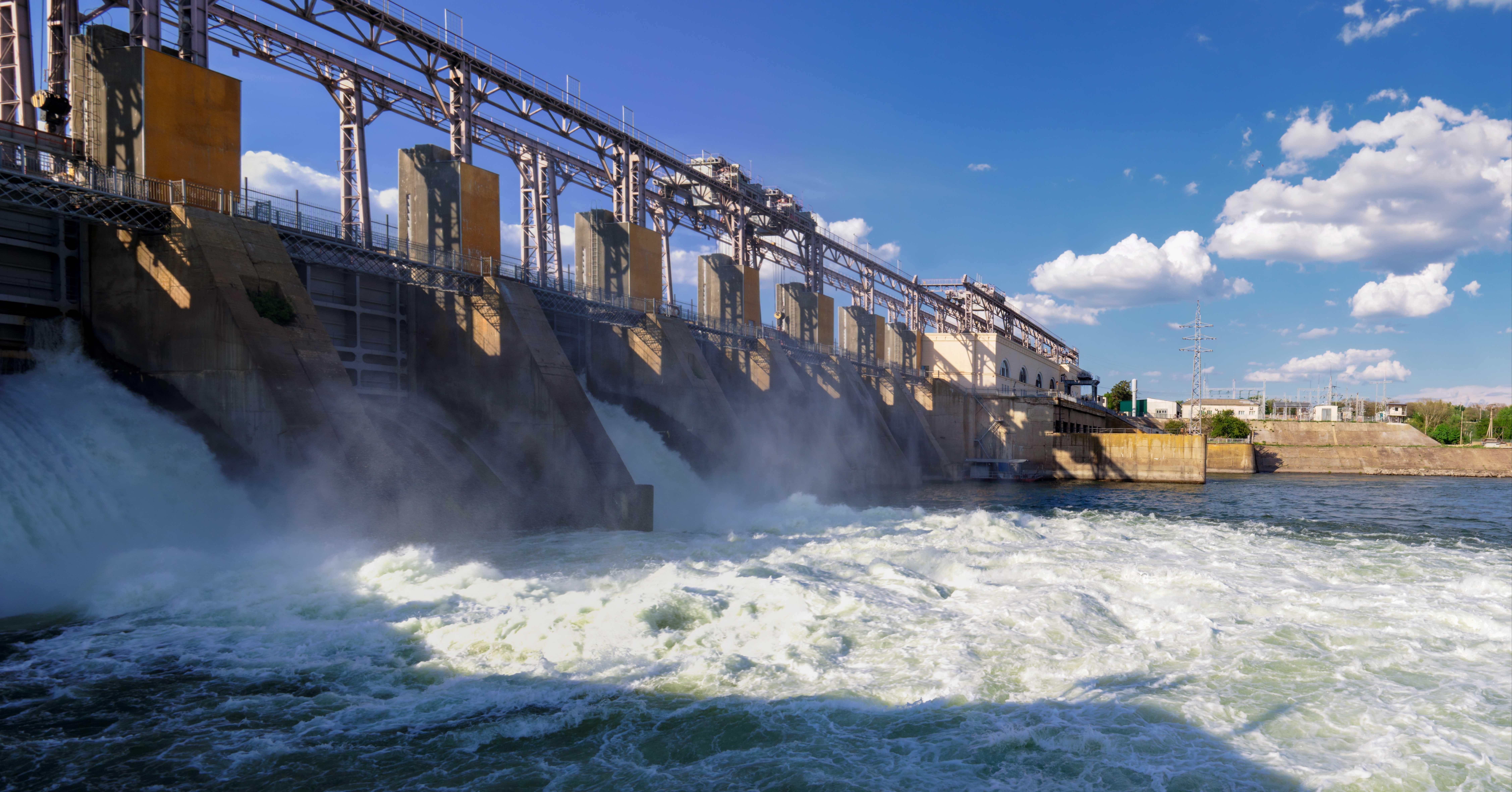
Hydropower, one of the oldest and most reliable sources of renewable energy, has undergone significant transformations since its inception. Harnessing the energy of flowing water, this technology has powered civilizations for centuries, from ancient waterwheels to modern dams and turbines.
Historical Overview
Hydropower's history dates back to ancient civilizations, where waterwheels were used to grind grain and perform other mechanical tasks. The industrial revolution saw a surge in the use of waterpower, particularly in factories and mills. By the late 19th century, hydropower plants began generating electricity, revolutionizing the energy landscape.
Modern Advancements
Today, hydropower is a cornerstone of global renewable energy production, accounting for a significant portion of electricity in many countries. Advances in technology have led to more efficient turbines and generators, as well as the development of small-scale and micro-hydropower systems. Innovations like pumped-storage hydropower also allow for energy storage, providing a buffer for intermittent renewable sources like wind and solar.
Environmental and Social Impacts
While hydropower is a clean energy source, it is not without environmental and social challenges. Large dams can disrupt ecosystems, displace communities, and alter natural waterways. Mitigating these impacts through careful planning, environmental assessments, and community engagement is crucial for sustainable development.
The Future of Hydropower
Looking ahead, the future of hydropower lies in balancing growth with sustainability. Emerging technologies like hydrokinetic turbines, which generate power from river and ocean currents without the need for large dams, offer promising alternatives. Additionally, integrating hydropower with other renewable sources and improving grid management can enhance energy security and reduce carbon emissions.
Hydropower remains a vital component of the global energy mix, providing reliable and renewable electricity. By addressing its environmental and social impacts and embracing innovation, we can ensure that hydropower continues to play a key role in our sustainable energy future.
Galaxy Hydropower

Comments (0)